Recent Post

Lies of P Boss List in Order From the First Fight to the Final Battle ...
Navigating the dark and treacherous streets of Krat requires players to master precise combat mechanics and adapt to escalating challenges. The dark fantasy narrative of Neowiz's soulslike epic presents a linear gauntlet of formidable adversaries that test your defensive and offensive strategies. Understanding the structural order of these encounters helps travelers manage their resources and prepare their builds for the steep difficulty spikes ahead.
The Early Trials of the Puppet Frenzy
Your journey begins at Krat Central Station, where the mechanics of perfect guarding are immediately put to the test. The first major obstacle players face is the Parade Master, a lumbering mechanized ringmaster that introduces basic attack delays and fury indicators. Defeating him grants entry into Hotel Krat, which serves as the central hub for upgrading your attributes and weapons.
Shortly after venturing into the city streets, players confront the Mad Donkey, a human stalker that emphasizes the importance of backstab positioning. This encounter opens up dynamic options for assembling specialized tool setups before the next massive hurdle. The initial chapter concludes at the Krat City Hall, where the Scrapped Watchman forces you to learn complex lightning patterns and rapid multi-hit combos.
Midgame Escalation and Mechanical Horrors
As you descend deeper into the industrial zones, the elemental dangers shift drastically toward fire and decay attributes. The Venigni Works area introduces King's Flame Fuoco, a massive furnace puppet that requires clever spatial awareness to avoid devastating area-of-effect environmental hazards. Overcoming this machine allows players to modify their blade configurations with advanced elemental scaling properties.
The path then leads toward the St. Frangelico Cathedral, where the grotesque Fallen Archbishop Andreus marks the first multi-phase beast encounter. This battle tests your psychological endurance as the boss changes forms entirely halfway through the fight. Successfully purging the cathedral opens the path toward Malum District, culminating in a chaotic brawl against the coordinated tactics of the Black Rabbit Brotherhood.
The Zenith of Alchemical Mastery
Entering the grand stages of the late game reveals the dark experiments conducted by the Alchemists on the Isle of Alchemists. Players must climb the massive tower structure, facing off against swift guardians like the Corrupted Parade Master and the elusive Walker of Illusions. These fights serve as strict skill checks designed to ensure your character is adequately leveled and optimized.
At the peak of the tower, Laxasia the Complete delivers an intensely aggressive onslaught combining swift physical swings with airborne projectile deflection. Defeating her immediately leads to the tragic confrontation with Simon Manus, Arm of God, whose massive reality-warping attacks cover the entire arena. Managing stamina during these long encounters determines whether you can survive the final phases of the alchemical conspiracy.
The True Final Battle for Humanity
Reaching the absolute conclusion of the narrative forces a heavy decision regarding the ultimate fate of the protagonist. If players choose to resist the final commands given in the depths under the tower, they unlock the hidden encounter against the Nameless Puppet. This secret final boss features the fastest attack speed in the game and demands flawless deflect timing across two relentless phases.

Why Randomized Entertainment Continues To Evolve ...
The landscape of modern digital leisure is undergoing a profound shift, driven by a universal human trait: the love for the unexpected. From unpredictable gameplay mechanics to surprise content drops, systems that rely on chance are moving far beyond simple novelty. This transition highlights how contemporary platforms adapt to changing consumer behaviors by prioritizing dynamic engagement over static experiences.
The Cognitive Mechanics of Unpredictable Engagement
Human psychology plays a foundational role in the sustained popularity of chance-based entertainment ecosystems. When outcomes are variable rather than fixed, the brain naturally experiences heightened states of anticipation and focus. This phenomenon, well-documented by behavioral researchers, turns routine interactions into deeply memorable milestones that keep audiences returning for more.
Furthermore, this architectural design ensures that digital experiences remain inherently resilient against user fatigue. Linear progression pathways often suffer from predictable plateaus where enthusiasm begins to wane. By weaving randomized elements into the core experience, developers ensure that every individual session feels completely unique and structurally fresh.
Democratizing the Modern Winning Experience
One of the most notable transformations in contemporary entertainment design is the shift toward inclusive participant structures. Traditional achievement frameworks frequently restrict high-value recognition to individuals who possess specialized technical skills or extensive time availability. Randomized systems successfully bypass these historic barriers by giving every active participant an equitable opportunity to succeed.
This accessible framework plays a critical role in cultivating healthier and more inclusive online communities over time. When casual visitors realize that an exceptional outcome is realistically attainable at any moment, their baseline motivation increases. Secure portals such as m88 link login demonstrate how contemporary digital environments leverage structured platforms to support reliable and equitable audience access.
Technological Advancements in Allocation Integrity
The ongoing evolution of randomized platforms relies heavily on the technical sophistication operating behind the user interface. Modern platforms have moved far away from primitive, easily compromised distribution algorithms to implement advanced mathematical logic. These modernized systems guarantee complete neutrality, ensuring that all participants can verify the mathematical fairness of their respective experiences.
This dedication to technological transparency serves as the bedrock for modern consumer confidence and platform reputation. When audiences are confident that a distribution matrix is completely free from hidden manipulation, their willingness to engage grows significantly. Consequently, investment in robust back-end algorithms remains a high priority for developers aiming to build long-term structural value.
Cultivating Collaborative Social Environments
Beyond personal gratification, sudden outcomes act as exceptionally powerful catalysts for community interaction and social bonding. When an unexpected event occurs, participants naturally share their experiences across digital forums, live chat features, and social media channels. This organic wave of peer-to-peer communication creates a vibrant atmosphere that naturally draws new audiences into the ecosystem.
Ultimately, the shared journey of anticipation transforms what could be a solitary activity into a highly interactive social event. Celebrating collective milestones and discussing potential scenarios builds an enduring sense of camaraderie among active users. It is this powerful combination of personal excitement and strong community integration that ensures the continued growth of modern entertainment models.
Why Classic Table Mechanics Still Matter To Enthusiasts ...
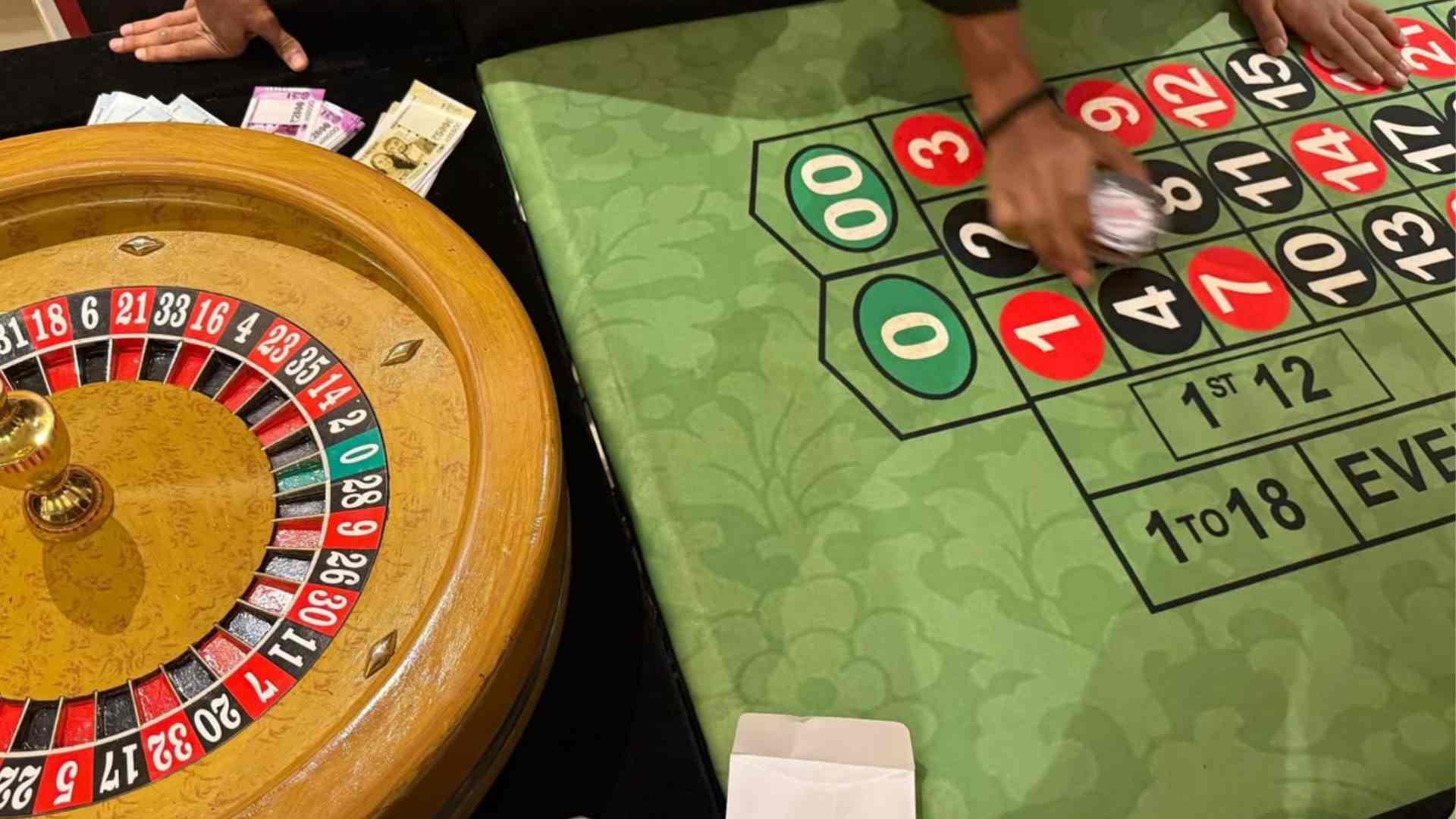
The rapid evolution of modern gaming platforms has successfully introduced unmatched efficiency and accessibility to casino enthusiasts worldwide. However, despite the undeniable convenience of automated digital interfaces, a growing community of dedicated players actively seeks out classic table formats. This enduring preference stems from the distinct social layers and unique tactical elements that only traditional tactile rules can provide.
The Tactile Appeal of Manual Distribution
In classical casino gaming setups, the rhythmic sound of a live dealer shuffling physical cards creates an immersive environment that software cannot easily replicate. This traditional pacing allows participants to fully process their strategic positioning without feeling rushed by rigid server algorithms. Many experienced players find that this physical interaction introduces a layer of organic suspense that elevates the entire session.
Furthermore, manual card handling preserves historical customs that originally defined early gaming salons across Europe. This direct human connection keeps the operational aspects transparent and deeply engaging for everyone involved. Veterans appreciate how physical deck management rewards careful spatial awareness and focused observations over multiple rounds.
Tactical Depth in Seating Realities
Physical table layout dictates far more than basic seating comfort during a prolonged live card session. In traditional systems, a participant's location relative to the dealer directly alters their access to crucial gameplay data before a wager is made. Acting in later positions provides a structural advantage by allowing individuals to study group behaviors before committing resources.
This reliance on situational observation contrasts sharply with modern streamlined formats that isolate the user from collective decisions. To explore these dynamic strategies further, enthusiasts can look for an m88下载 to find platforms that respect historical gaming principles. Adapting classic tactical theories to modern setups remains a highly satisfying pursuit for dedicated analytical minds.
Shared Financial Stakes and Social Rituals
Historically, table games frequently required participants to share operational responsibilities rather than wagering against an automated corporate house. In formats where banking duties rotated among active players, the psychological environment shifted from isolated luck to communal accountability. This unique dynamic encouraged a sophisticated form of table etiquette that emphasized quiet respect and mutual trust.
The preservation of these structured rituals is what separates deep tabletop history from simple fast-paced modern applications. For many collectors and historians, understanding these older social frameworks adds important cultural context to contemporary entertainment preferences. Ultimately, traditional table mechanics matter because they turn a mathematical comparison of cards into an unforgettable human narrative.

How Designers Create Interesting Outcomes Without Removing Randomness ...
Randomness is a fundamental building block in modern system architecture, software development, and interactive experience design. While purely predictable experiences can become mundane, uncontrolled chance often feels chaotic or unfair to users. Game creators and interface engineers solve this challenge by applying intelligent boundaries that guide chaotic variables toward meaningful player experiences.
Establishing Strategic Frameworks Around Pure Chance
Rather than allowing raw algorithms to dictate every scenario, developers implement input randomness to spark creative problem-solving. By giving players unpredictable starting conditions, systems encourage adaptability while keeping the overall rules consistent. This method ensures that every participant faces unique challenges without feeling overwhelmed by unfair mechanics.
When users navigate digital spaces or search for a wd boss slot login, they expect smooth functionality paired with engaging visual feedback. Systems that balance mathematical variance with intuitive interfaces make unpredictable events feel rewarding rather than frustrating. This careful balance keeps user attention high over long periods of engagement.
Designing Layered Probability Systems
Another popular method for managing unpredictability involves creating multi-tiered reward structures. Instead of relying on a single binary outcome, systems introduce varying levels of success that keep expectations dynamic. This approach transforms simple chance events into rich journeys filled with suspense and tactical choices.
Dynamic probability scaling helps smooth out extreme statistical spikes that might alienate users. By subtly adjusting odds behind the scenes, developers can prevent long losing streaks while maintaining absolute mathematical integrity. These techniques preserve the genuine excitement of unexpected results while guaranteeing long-term engagement.
Enhancing Player Perception Through Visual Feedback
How an outcome is presented often matters just as much as the mathematical result itself. Fluid animations, dramatic pauses, and responsive audio cues turn instant computations into memorable emotional beats. These visual elements allow participants to process information naturally and build anticipation for what comes next.
Clear communication regarding odds and potential paths fosters a sense of transparency between users and software platforms. When players understand the underlying system, they view randomized events as fair opportunities rather than arbitrary barriers. Ultimately, combining thoughtful visual pacing with controlled chance results in balanced digital environments.

Silent Hill F Crest Puzzle Solution ...
Navigating the beautiful yet unsettling environments of 1960s Japan in Silent Hill F presents players with a deep combination of psychological horror and complex environmental riddles. Among the various challenges that test your observation skills, the intricate Crest Puzzle stands out as a significant milestone in the narrative. Solving this mystery requires a sharp eye for local heritage patterns and a careful understanding of how historical symbols interact within the haunted atmosphere.
Locating the Missing Crest Ornaments
Before you can begin rearranging the symbols on the central display, you must thoroughly explore the surrounding Shimizu residence to locate the scattered family emblems. These missing fragments are often hidden behind everyday household items or tucked away inside dimly lit storage cabinets. Paying close attention to the visual environment will help you collect every required piece without backtracking through dangerous hallways continuously.
As you collect each individual ornament, your character will log small notes about their unique physical engravings and historical weights. Having all the pieces ready in your active inventory is absolutely essential before you attempt to manipulate the main locking mechanism in the private chambers. Missing even a single decorative component will prevent the final alignment triggers from activating properly.
Deciphering the Visual Alignment Clues
The central puzzle interface consists of a rotating wooden board displaying historical engravings that mirror regional folklore motifs. To find the correct arrangement, players must cross-reference the shapes of their gathered items with the subtle bloodstains left on the structural frame. These environmental indicators provide excellent hints regarding which family emblems belong in the upper and lower slots respectively.
Many players have found success by mapping out the geometric patterns on a separate notepad to visualize how the shadows fall across the room. If you are looking for general gaming tips to help manage your growing collection of digital files and interactive adventures, you can read more useful guides. Taking your time to study the historical background of the family lineage will reveal the intended placement order naturally.
Executing the Final Rotation Sequence
Once all the decorative pieces are firmly inserted into the dynamic display, you will need to rotate the interlocking rings to complete the picture. The trick lies in aligning the floral patterns so that they seamlessly flow into the carved wooden borders of the primary mechanism. Moving the outer dial clockwise two times usually aligns the foundational layers without disrupting the delicate internal switches.
Listen closely for a distinct metallic clicking sound which indicates that a specific section has locked into its correct position permanently. If you make a mistake during the rotation sequence, you can easily reset the entire board by stepping away from the table briefly. Successfully completing this interaction unlocks the hidden passage behind the main wall, allowing you to advance deeper into the terrifying narrative landscape.

The Mental Skill Of Separating Luck From Performance ...
In high-stakes environments ranging from financial markets to competitive card games, distinguishing between random chance and genuine competence is a crucial mental discipline. Many individuals fall into the cognitive trap of outcome bias, assuming that every successful result stems from a brilliant decision and every loss from a flawed execution. Developing the ability to isolate luck from overall performance allows strategic thinkers to evaluate their choices objectively and maintain steady growth over time.
The Danger of Outcome Bias
Evaluating decisions purely based on immediate results often creates false confidence or unnecessary self-doubt. A terrible strategy can occasionally yield a positive outcome due to short-term variance, while a mathematically superior play can result in a loss. Recognizing this disconnect helps individuals avoid reinforcing bad habits simply because those habits paid off once.
By shifting focus toward decision quality rather than raw outcomes, decision-makers develop emotional stability. This analytical perspective prevents emotional overreactions during temporary losing streaks. Over time, prioritizing long-term execution over short-term results creates a more sustainable path to mastery.
Evaluating Process Over Short-Term Results
Top performers in competitive fields rely on systematic frameworks to review their past actions. They analyze whether their reasoning was sound based on the information available at the precise moment a choice was made. This process-driven approach ensures that progress is measured by discipline rather than unpredictable external factors.
When reviewing complex situations, structured analysis helps uncover subtle flaws in logic or strategy. Many enthusiasts seeking to refine their strategic discipline look for trusted resources like the m88 link alternatif terbaru to access reliable platforms and test their skills. Consistently auditing performance builds resilience against the psychological volatility caused by unexpected swings of fortune.
Building Resilience Through Objective Data
Relying on subjective feelings often distorts personal self-assessment, making small failures feel catastrophic and minor victories feel absolute. Collecting long-term data provides an objective baseline to measure real skill progression. Tracked metrics expose underlying trends that highlight true strengths while filtering out temporary statistical anomalies.
This reliance on empirical evidence fosters internal confidence that remains unshaken during difficult periods. Strategists who understand variance know that probability normalizes over extended durations. Armed with accurate data, they remain committed to proven methodologies without making panic-driven adjustments.
Cultivating Long-Term Strategic Mastery
Mastering the distinction between luck and performance ultimately requires patience, self-awareness, and continuous learning. Accepting that total control over every variable is impossible allows thinkers to focus entirely on what they can influence. This subtle psychological pivot separates casual participants from consistent masters.
In the end, long-term success is built on the cumulative foundation of high-probability choices. By honoring sound principles and disregarding short-term noise, individuals cultivate lasting expertise across any competitive discipline. Embracing this mindset ensures steady growth regardless of immediate circumstance.

Steam Deck Cant Reach Steam Servers Troubleshooting ...
The Steam Deck has revolutionized portable gaming, allowing players to enjoy their favorite PC titles on the move with incredible performance. However, encountering a persistent error message stating that the handheld console cannot connect to the network infrastructure can abruptly halt your gaming sessions. This guide will explore the primary reasons behind these connectivity problems and provide reliable methods to restore your connection.
Checking External Network and Server Status
Before modifying any settings on your handheld device, it is essential to determine if the problem lies with Valve's backend infrastructure. Sudden platform outages can prevent local devices from authenticating user profiles or fetching cloud saves properly. You can verify global platform stability by checking community status trackers or official social channels.
If the corporate platform remains fully operational, your local network setup might be introducing unintended roadblocks to the wireless hardware. Other household electronics often maintain normal functionality while a specific device struggles to establish a secure handshake. Power cycling your local router and modem is an effective initial step to clear temporary routing conflicts.
Adjusting Developer Options and Power Management
The internal architecture of the Steam Deck includes advanced power-saving protocols that occasionally conflict with modern dual-band wireless networks. Many users notice a yellow warning indicator on their network icon immediately after waking the device from a long sleep cycle. Toggling the built-in system parameters can permanently resolve these recurring synchronization drops.
To access these hidden adjustments, you must first enable the developer toolkit within the main system settings interface. Locate the newly unlocked options tab and scroll down until you find the parameter labeled for wireless power management. Disabling this specific power-saving feature prevents the internal antenna from entering a low-power state during active sessions.
Utilizing Offline Mode as a Temporary Fix
When remote systems experience extended technical difficulties, your installed software library does not have to remain completely inaccessible. Activating the integrated local profiling feature allows you to bypass the initial network verification phase entirely. This method ensures you can continue enjoying single-player campaigns without needing a continuous active handshake.
Navigate directly to the internet configuration panel and select the option to transition your dashboard into offline functionality. This operational shift forces the operating system to rely exclusively on local credentials and existing storage certificates. It provides a seamless way to enjoy your purchased content while engineering teams work on resolving backend server maintenance.
Refreshing Network Configurations and Custom DNS
Persistent addressing issues can sometimes stem from corrupted configuration files or restrictive domain resolution paths within your home network. Clearing your remembered wireless profiles forces the operating system to negotiate a brand-new hardware handshake upon reconnection. This straightforward refresh eliminates outdated configuration data that might be stalling your data packets.
Advanced users can also manually adjust their primary domain name system parameters within the desktop interface mode. Switching your default gateway values to reliable public options often improves connection stability and accelerates network resolution speeds. These practical updates guarantee your device maintains a clear path to the destination storefront.

Understanding The Importance Of Distributional Information ...
In competitive trick-taking card games such as contract bridge, mastering hand evaluation goes far beyond simply adding up high-card points. Understanding distributional information—how cards are divided among the suits and across the table—allows strategic players to assess risk and accurately predict hand potential. By learning to interpret suit shapes and card counts, players can execute far more successful strategies during bidding and play.
The Core Concept of Distributional Shapes
Every hand in a card game features a distinct suit distribution, ranging from balanced patterns like 4-3-3-3 to extreme long-suit layouts. Recognizing these distributional shapes helps players evaluate how tricks will be won or lost beyond basic point values. Long suits can establish extra tricks once opposing high cards are depleted, while short suits offer valuable trumping opportunities.
As players gain experience, tracking how cards split among suits becomes second nature. Players often explore gaming platforms or check out an m88 casino login register page to test their analytical skills in fast-paced strategic environments. Developing a strong grasp of suit distribution drastically improves decision-making under pressure.
How Bidding Signals Card Distribution
The bidding phase serves as a vital exchange of information where partners implicitly reveal their hand shapes. When opponents bid or pass, they provide critical clues about suit lengths and potential voids. Paying close attention to the auction enables attentive players to construct a mental map of where key cards reside before the first card is even led.
By combining initial point counts with distributional inference, players can anticipate how the play will unfold. This allows declarers to plan efficient entry management and enables defenders to set effective traps. Accurate inference based on bidding sequences remains one of the highest-value skills in trick-taking games.
Calculating Probabilities and Suit Splits
Mathematical odds play a substantial role in determining how missing cards are distributed between opposing hands. For instance, when five missing cards exist in a suit, a 3-2 split is statistically far more likely than a 4-1 or 5-0 division. Incorporating these basic probability rules prevents players from taking unnecessary risks during crucial tricks.
Understanding standard suit splits helps players choose safety plays when defending or making a contract. Evaluating probabilities alongside table signals reduces guesswork and leads to far more consistent outcomes. Consistent calculation turns subjective assumptions into reliable tactical advantage.
Leveraging Shape to Maximize Trick Potential
Ultimately, distributional information guides how a hand should be played from start to finish. Declarers can leverage long suits to set up winning tricks or use ruffing capability to compensate for low point counts. Mastering these techniques transforms average hands into winning opportunities through clever positional play.
Defenders similarly rely on distribution to decide when to cash winners, switch suits, or hold back control cards. Every card played reveals fresh data, refining the picture of the remaining hidden hands. Continuous observation and strategic adaptation form the foundation of expert-level card play.

How Overloads Create Chances In Football ...
In modern football, breaking down a well-organized defensive block requires more than just individual brilliance or rapid passing sequences. Elite managers increasingly rely on tactical overloads, a strategic concept where a team intentionally gathers multiple players in a specific zone of the pitch to outnumber the opposition. By creating a temporary numerical superiority, attacking teams can manipulate defensive structures and open up high-value goalscoring opportunities.
The Core Mechanics of Numerical Superiority
An overload functions primarily by forcing the defending team to make difficult structural choices. When four attackers move into a space typically guarded by two or three defenders, the backline is compelled to shift extra players over to cope with the immediate threat. This collective movement naturally disrupts the opponent's defensive symmetry and leaves other sectors of the field vulnerable.
By drawing defensive attention toward the ball, tactical overloads create a high-density zone that tests an opponent's communication and discipline. Many tactical experts study these movements alongside shifting transfer rumors to see how clubs recruit highly intelligent players capable of executing these complex fluid systems. When executed correctly, numerical superiority ensures that an attacking team always has a free passing option available to maintain possession under intense pressure.
Exploiting the Weak Side Through Isolated Transitions
One of the most lethal outcomes of a successful overload is the creation of space on the opposite side of the pitch, often referred to as the weak side. As the defensive block condenses to stop the progress in the overloaded zone, the far-side winger or fullback is left completely unmarked. A rapid diagonal switch of play can instantly release an isolated attacker into acres of space against a scrambling defense.
This tactical transition shifts the game from a congested battleground into a dangerous one-on-one scenario in the final third. The receiving player can exploit the sudden space to deliver a precise cross or drive directly into the penalty box before the opposition can adjust their position. Consequently, the true value of crowding one area is often realized by attacking the entirely vacant space left elsewhere.
Creating Structural Chaos with Positional Rotations
Effective overloads rarely involve players standing still in pre-determined zones; instead, they rely heavily on continuous positional rotations. Midfielders, fullbacks, and forwards constantly swap positions to confuse tracking defenders and create unpredictable passing angles. This dynamic movement makes it incredibly difficult for a defensive unit to maintain its strict zonal marking responsibilities.
When a center-forward drops deep into midfield while a wide defender surges forward into the vacated space, defenders face costly split-second delays in decision-making. These brief moments of hesitation allow the attacking side to penetrate the penalty area through quick combinations or clever third-man runs. Ultimately, the fluid nature of these rotations ensures that defensive lines are pulled apart both horizontally and vertically.

Star Wars The Force Unleashed Complete Walkthrough ...
Star Wars The Force Unleashed puts players in the boots of Starkiller, Darth Vader's secret apprentice, on a quest to hunt down surviving Jedi across the galaxy. Navigating through sprawling imperial facilities and dangerous alien worlds requires a deep understanding of combat mechanics and Force powers. This guide provides a strategic walkthrough to help you overcome difficult boss encounters and master every level efficiently.
Mastering Core Combat and Force Abilities
Combining lightsaber strikes with Force attacks is essential for defeating heavily armored enemies and suppressing large groups. Early in the game, focus on upgrading your Force Push and Lightning abilities to control the battlefield effectively. Disrupting enemy formations allows you to isolate high-threat targets without taking unnecessary damage.
Defensive play is just as crucial as offensive aggression when facing elite opponents. Learning to time your blocks and dashes correctly will keep Starkiller safe during chaotic skirmishes. Players can check out the to review fundamental mechanics and stay updated on classic action-adventure titles.
Navigating Key Campaign Missions
Each planet in the campaign presents unique environmental hazards alongside aggressive enemy factions. On TIE Fighter Construction Facility, use the surrounding machinery to throw debris at flying targets. When exploring Felucia, maintain distance from dangerous wildlife and rely on ranged Force attacks to clear the path.
Environmental awareness often determines success in complex levels with multiple vertical paths. Look out for hidden holocrons scattered across each stage to unlock lightsaber crystals and force upgrades. Collecting these items strengthens Starkiller's overall combat efficiency as the story progresses.
Defeating Powerful Boss Encounters
Boss battles in Star Wars The Force Unleashed test your reaction time and mastery over your abilities. Jedi targets like Rahm Kota and Shaak Ti feature distinct attack patterns that require specific counter-strategies. Observe their movements carefully, dodge their heavy attacks, and strike when their guard is down.
During quick-time events, execute the prompted button sequences accurately to finish battles cleanly. Conserving Starkiller's health before triggering boss phases ensures you survive unexpected secondary attacks. Utilizing Force Repulse during tight boss encounters can also buy precious seconds to recover.
Optimizing Character Upgrades
Allocating Force Talents and Force Combos wisely dramatically changes how effectively Starkiller performs in late-game stages. Prioritize talents that increase health pool size and reduce Force energy drain during intense combat. High-tier combo strings allow you to break through enemy guards much faster.
Experiment with different lightsaber power crystals to suit your preferred playstyle. Certain crystals increase critical hit chance, while others restore health or Force points upon defeating enemies. Tailoring your loadout makes navigating difficult endgame challenges significantly smoother.
Semua artikel sudah ditampilkan.